Pilot Chicken Review — Is It Worth Playing in 2026?
Been playing crash games for a while now. Started with Aviator back when it was still something you had to explain to people at the casino — now everyone knows it. After that came Mines, Plinko, Dice, pretty much everything Spribe put out over the last few years. Tried a few things from other studios too, but kept coming back to Spribe because the math is honest and the games don’t waste your time.
So when Pilot Chicken dropped in January 2026 I figured I’d give it a proper run before writing anything. Not a quick twenty-round test — actually sat with it. Played maybe two hundred rounds across all three risk levels, easy through hard, different session lengths, different bet sizes. Watched how the multipliers behaved on medium versus hard.
Made some good calls, made some bad ones. Lost more than I’d like to admit on hard mode before I got a feel for it. Point is, this isn’t a first-impression take. Here’s what I actually think after spending real time with the game.
First Impressions — What’s Actually Different
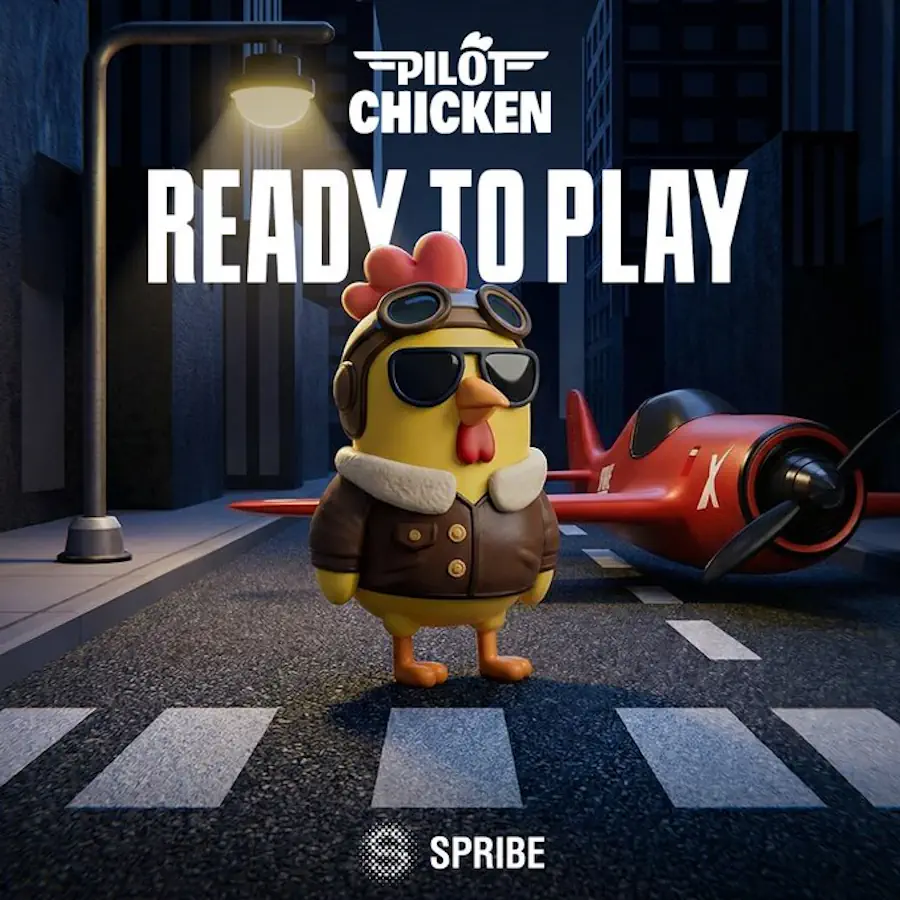
First time you open the game, it looks almost too simple. A chicken crossing a runway, some planes in the background, a multiplier ticking up. No elaborate intro, no loading screen with dramatic music. Just the game. That simplicity is deliberate — and it works better than you’d expect. Most crash games show you a line climbing a graph. Pilot Chicken shows you a character moving through space. Sounds like a cosmetic difference. In practice it changes how you experience the tension completely.
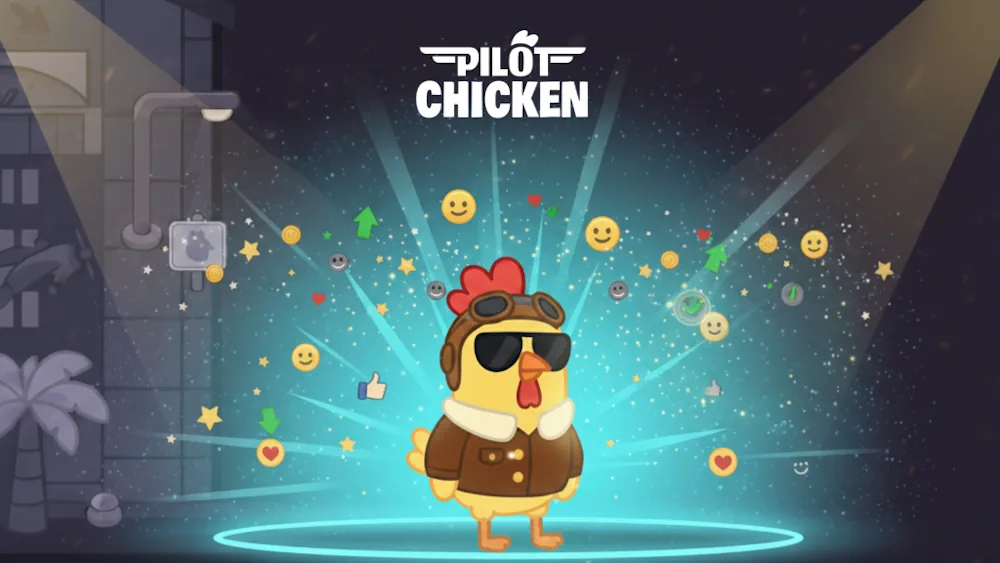
Watching a number go up is abstract. Watching a chicken walk toward a plane that’s about to take off is not. Your brain processes it differently, vообщем it just hits harder emotionally. The interface is clean. Bet controls are where you’d expect them, the cash-out button is big and obvious, current multiplier is always visible. Nothing to figure out. You can go from opening the game to placing your first real bet in under two minutes.
How It Compares to Aviator
This is the question everyone’s going to ask, so let’s get into it. Core mechanic is the same: multiplier grows, you decide when to stop, RNG determines the crash point. The math underneath is structurally similar. Provably fair, certified RNG, transparent model. On that level they’re basically equivalent products.
Where they diverge is in the details. Aviator has a social layer — you can see other players’ bets and cash-outs in real time, which creates a weird crowd psychology that affects how you play. Pilot Chicken doesn’t have that (at least in the versions I tested). Some people will miss it. Personally I found it distracting more than useful — watching someone else cash out at x12 while you’re sitting at x3 messes with your head.

The risk level system is the real differentiator. Aviator doesn’t give you that. In Pilot Chicken you choose easy, medium or hard before each round, and that choice changes the actual multiplier range and step count you’re working with. That’s meaningful. It means you can genuinely adjust the game to match how you’re feeling on a given session, not just change your bet size. RTP is 99% on Pilot Chicken. Aviator varies by operator — some casinos configure it at 97%, some at 98%. The difference matters over volume. If you’re putting in serious session time, that extra 1-2% compounds.
The Three Risk Levels — Which One Makes Sense
Easy runs x1.05 to x25 across 15 steps. The chicken survives more often, the multipliers are modest. Good for warming up or if you’re trying to stretch a small bankroll. Not exciting, but not meant to be. Medium is x1.3 to x1,000 across 20 steps. This is where most of my sessions ended up. The jackpot (€10,000) is reachable here, the multiplier range is genuinely interesting, and the risk feels proportional. Spribe themselves say medium is the intended sweet spot — I’d agree with that after testing all three.

Hard mode is x1.5 to x1,000,000 across 25 steps. Getting through all 25 steps is extremely difficult — the probability drops sharply with each move. I hit some decent multipliers in hard, had some brutal losing streaks too. The max theoretical multiplier is a million times your stake, which sounds insane because it is. Only use hard if you’re comfortable losing whatever you put in. One thing worth knowing: the jackpot only activates on medium and hard. Easy mode caps well below €10,000 regardless of how much you bet. So if you’re specifically chasing the top payout, easy isn’t the path.
What the 99% RTP Actually Means in Practice
This confuses a lot of people so it’s worth being direct about it. RTP is a long-run statistical measure. 99% means that over millions of rounds, players collectively get back €99 for every €100 wagered. It does not mean you personally will profit 99% of the time.
In a single session, variance dominates. You can run 50 rounds on medium and lose 30 of them. You can also hit x400 on your third round and walk away well up. The RTP doesn’t smooth out over short periods — it only becomes meaningful at very high volume.

What 99% does tell you is that the house edge is 1%. That’s genuinely low. Most slots are sitting at 4-6% house edge. Most roulette variants are worse. On a pure math basis, Pilot Chicken is one of the more player-friendly products you’ll find in an online casino. That doesn’t make it safe — crash games can chew through a bankroll fast because of round speed — but the underlying math isn’t working against you nearly as hard as in most alternatives.
Who Should Play This and Who Shouldn’t
If you already play Aviator and enjoy the crash format, Pilot Chicken is worth trying. The risk level system adds something Aviator doesn’t have, the RTP is competitive, and the theme makes the tension feel more visceral. Transition takes about ten minutes. If you’re new to crash games, start in demo mode. Every major partner casino offers it, no deposit needed. Get comfortable with the pace and the cash-out decision before putting real money in. The rounds are fast and it’s easy to make impulsive calls when you’re not used to it.

If you prefer complex slot mechanics — bonus rounds, free spins, cascading reels, that kind of thing — this probably isn’t for you. Pilot Chicken is deliberately minimal. One decision per round. No secondary features. That’s a feature, not a flaw, but it’s not for everyone.
One honest note on the psychological side: crash games in general are designed to create tension and the illusion of control. The feeling that you almost cashed out at the right time, or that you should have held on one more step — that’s built into the format. It makes the game engaging but it also makes it easy to chase losses. Set a session limit before you start and stick to it. Sounds obvious, but it’s genuinely necessary with this type of game.
Honest Verdict
Pilot Chicken is a well-built crash game. Better RTP than most of the competition, a risk level system that gives you real flexibility, and a theme that makes the core mechanic feel more engaging than a line on a graph. It launched in January 2026 and early reviews are averaging 4.8 out of 5 — that’s a strong start.

It’s not trying to be Aviator. It’s not trying to replace slots. It’s a fast, clean, high-RTP crash game with a chicken on a runway and a jackpot worth €10,000. If that sounds like something you’d enjoy, it probably is.

